The wool industry in Geelong and the Bellarine
You could be mistaken for holding the belief that Geelong and the Bellarine is all about footy and the beach. And, to be fair, we are pretty good at the footy! The beaches are beautiful, and we are lucky enough to exist on a beautiful bay.
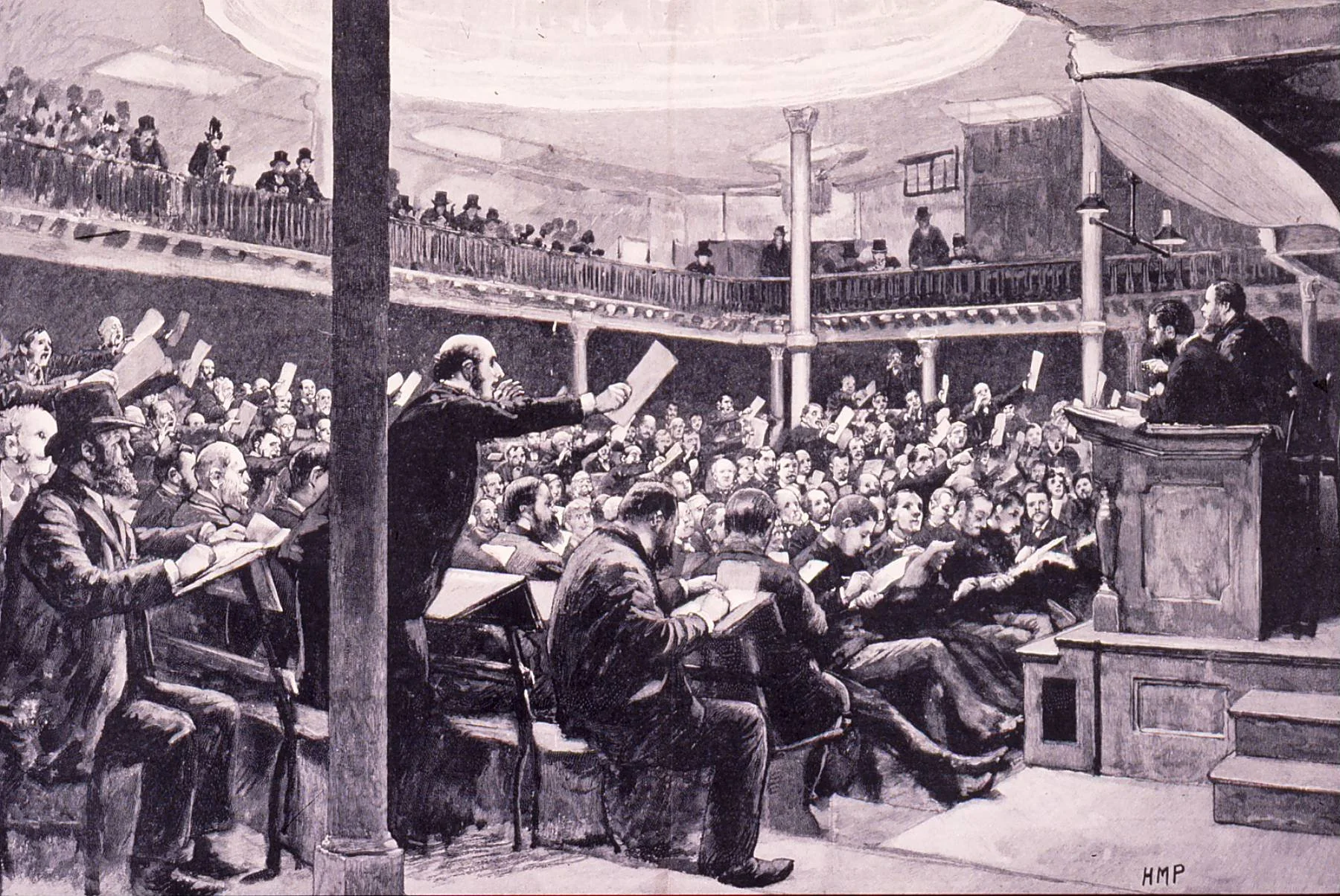
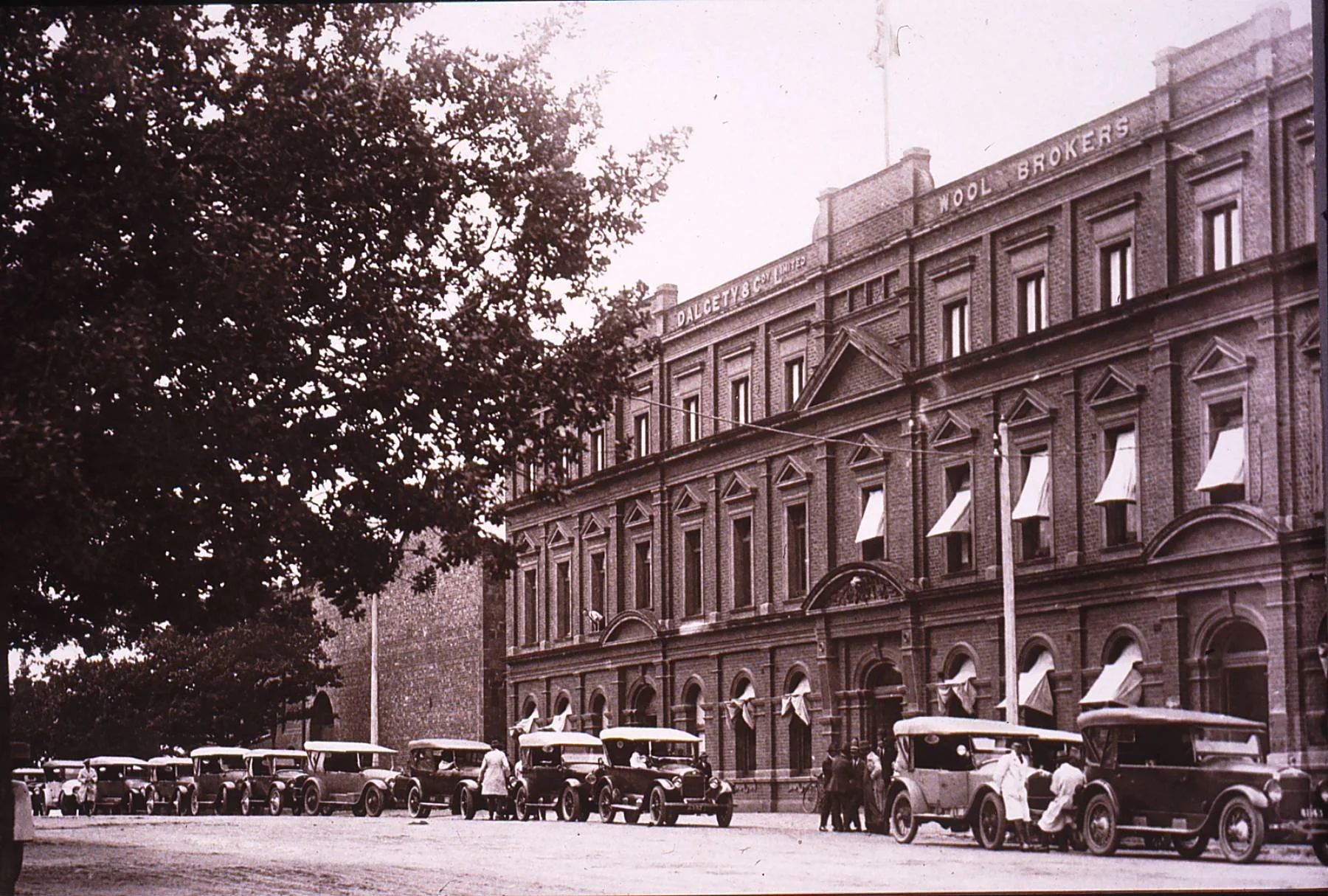
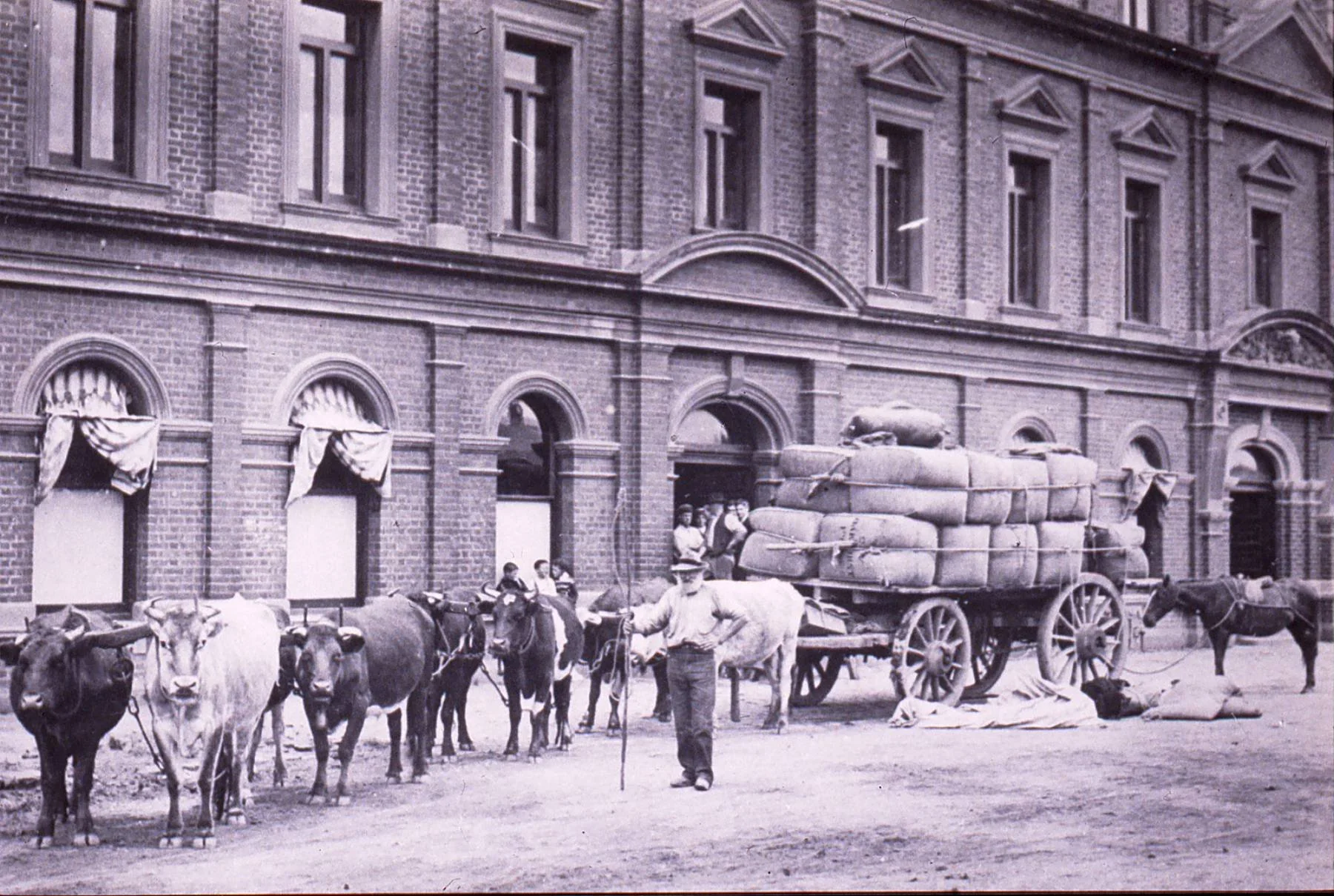
However, Geelong and its surrounds exists today, because between the 1860’s and the 1960’s it was the national powerhouse of wool production. Merino sheep were present in the area from the early 1830’s, thriving on the rich pastures and mild climate, with local graziers quickly gaining a reputation for producing some of the finest wool in the world. Scourers to clean wool in addition to fellmongers/tanneries to process sheep and calf leather were established in the late 1840’s and early 1850’s, while mills for spinning yarns were established in the 1860’s. On the Bellarine, large sheep runs and farming families helped establish a strong rural economy, with wool shaping both the landscape and community life. Together, Geelong and the Bellarine are recognised as the birthplace of Australia’s global wool trade—an enduring story of innovation, industry, and tradition. The city of Geelong was literally built on the back of sheep. Geelong flourished as ships laden with bales of wool departed its busy port, the grand wool stores along the waterfront standing as monuments to a booming trade. Out on the Bellarine, sprawling sheep runs and generations of farming families built communities around the rhythms of the shearing shed and the wool clip. Together, these places became known as the cradle of Australia’s wool industry, with the first piece of cloth ever produced entirely within Victoria woven in 1868 at the Victorian Woollen and Cloth Mill, which was located in South Geelong.
These mills and scouring businesses were established along the Barwon River, and along the waterfront of Geelong. Early products included the fabrics which went on to become the uniforms of ANZACs in World Wars 1 and 2, as well as blankets, flannels, and heavy tweeds and twills. Post World War 1, the establishment of the Returned Sailors and Soldier’s Mill at the west end of Pakington St provided income and work for returned servicemen. Later, The Gordon Wool School (now The Gordon Institute of TAFE) began running classes for wool classing, shearing and weaving, becoming the best sheep and wool industry educators in Victoria.
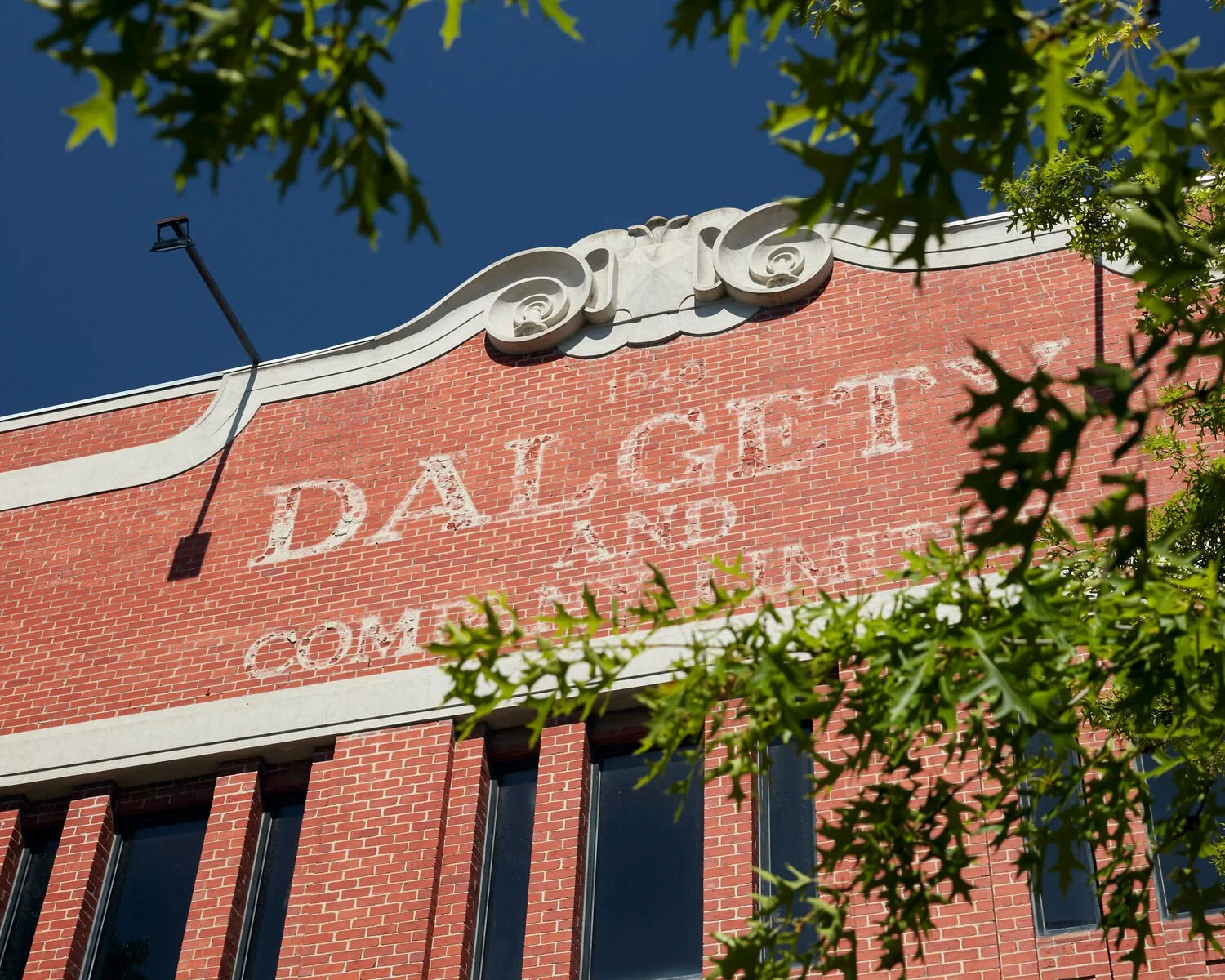
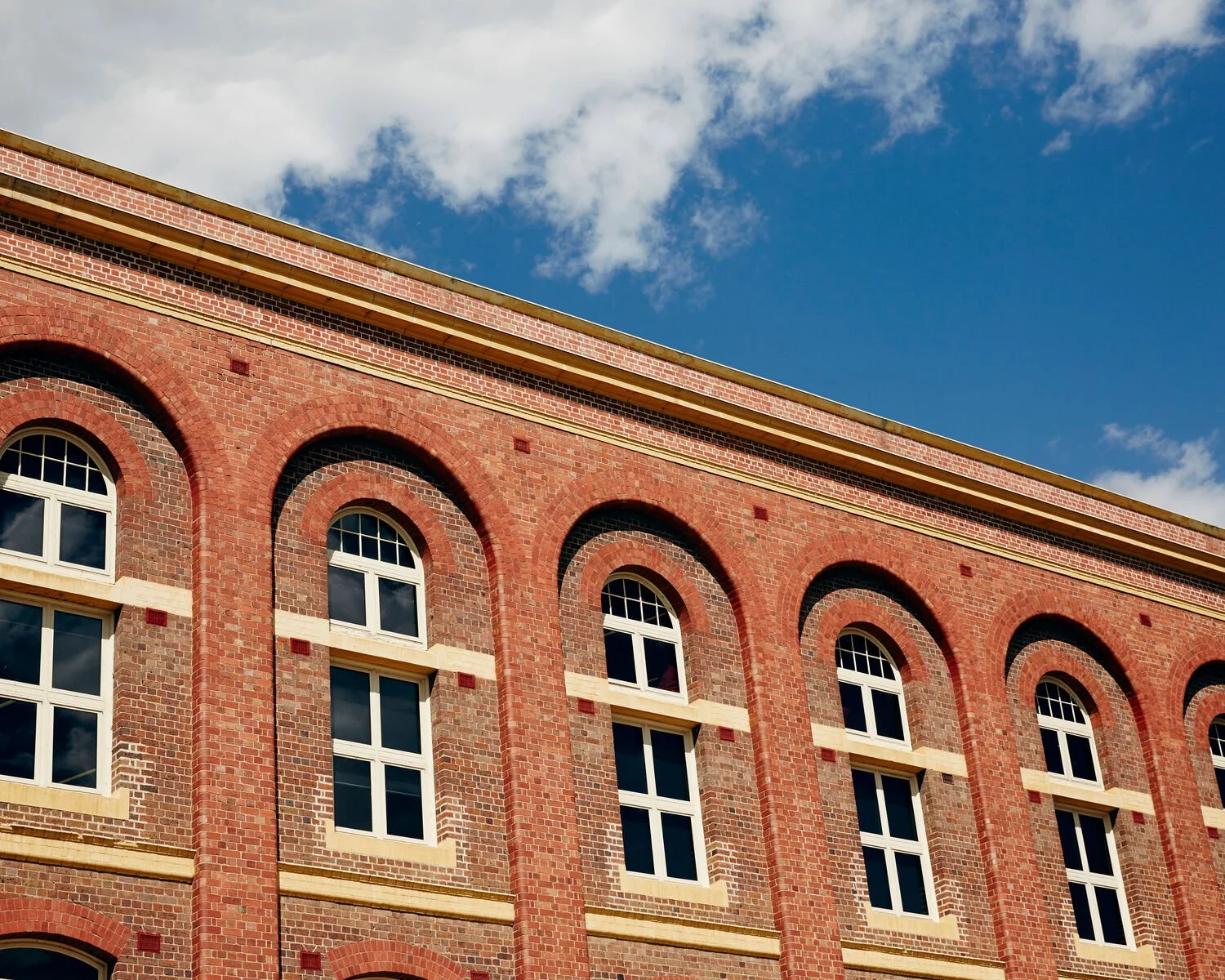
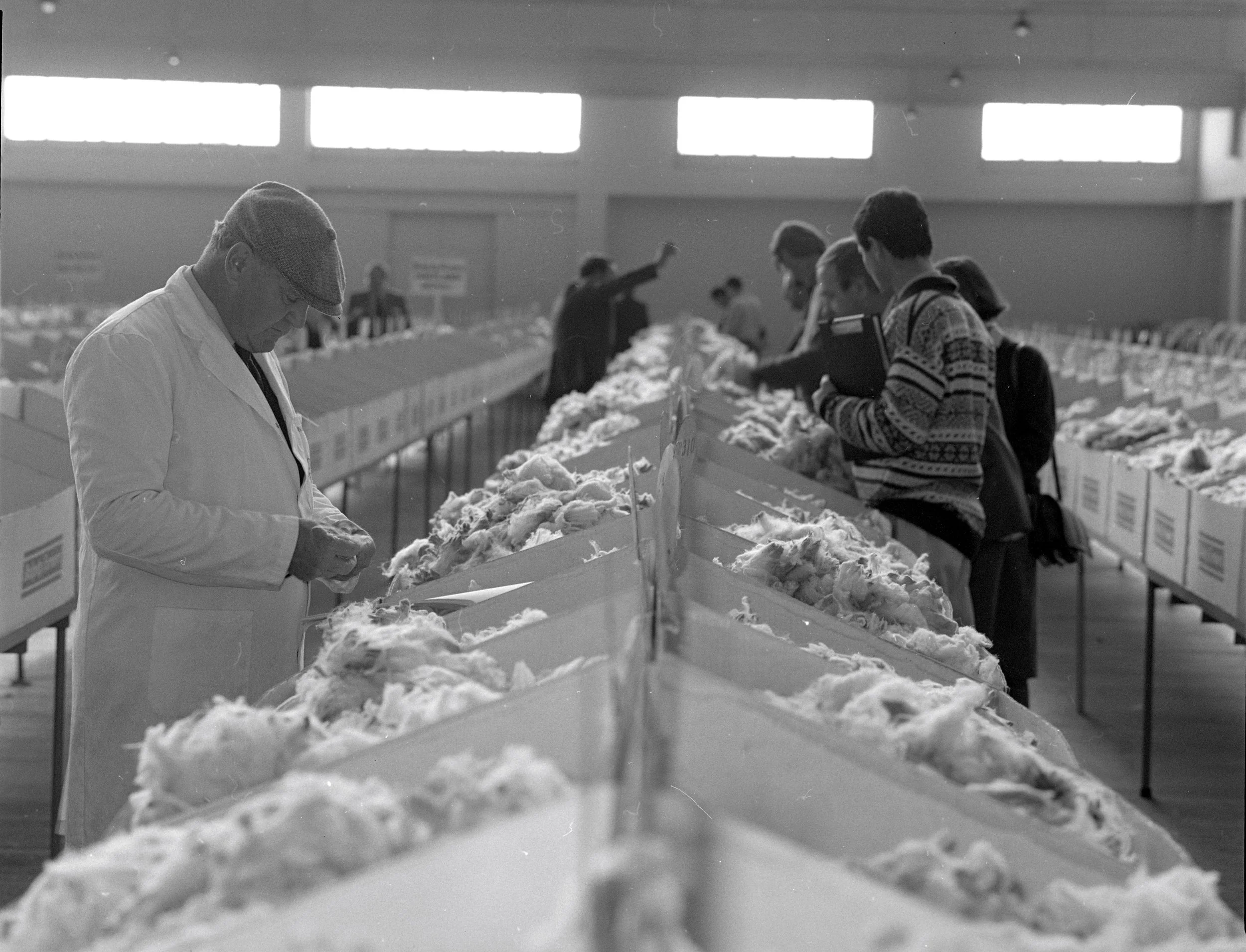
As of 2025, we have only one scouring facility left in Australia (now located in Adelaide), but there were as many as 16 scourers and tanneries in the 1920’s, and there were 7 separate woollen mills up to the 1960’s, located just within the Geelong and Bellarine peninsula. We now have only two top (wool combing) producers in the country, and only a handful of micro mills. While there has been a significant decline in the number of on-shore processing here in Australia, because the wool industry established itself so thoroughly within the Geelong and Bellarine, it is comforting to know that we drive and walk past the remnants of our history every day. The Federal Woollen Mills in North Geelong that were converted into a small business and government hub, the beautiful bluestone Denny Lascelles wool brokerage is now our National Wool Museum located on Moorabool St, and the Deakin University Waterfront campus is in the restored Dalgety and Co Wool stores. If you went for a drive in Corio, you’ll still find wool classers and brokers working through bales of fleece, carefully inspecting and skirting them to provide only the best fibres for processing. Australia still produces 45% of the raw, greasy wool for the entire world - admittedly, much of it is processed either fully or partially overseas, but don’t let anyone tell you that the wool industry is dead. It’s not. We are here, and we are proud of the history we are a part of.
The rich history of wool in Geelong and the Bellarine means it’s only right to celebrate yarns and fibres here. That’s why we have established GABYS, and we hope that you’ll come join the celebration with us.